
Understanding Trauma Symptoms: 4 Ways It Lives in Your Body
Why trauma symptoms aren’t “all in your head”—and what the Window of Tolerance can teach you about healing

You’ve probably heard people talk about trauma—childhood trauma, emotional trauma, PTSD from traumatic events. But what exactly is trauma, and why do some difficult experiences leave lasting impacts while others don’t?
More importantly, if you’ve experienced trauma, you might wonder: Why does my body react so strongly to things that shouldn’t be threatening? Why can’t I just “get over it”? Why do I feel numb sometimes and overwhelmed other times?
Understanding how trauma affects both your brain and body is the first step toward healing. Trauma isn’t just psychological—it’s physiological. It changes how your nervous system responds to the world.
This guide will help you understand what trauma really is, how it manifests in your body and mind, and introduce you to a powerful framework called the “Window of Tolerance” that explains why you sometimes feel out of control—and how therapy can help.
Struggling with trauma symptoms?
What Is Trauma? Beyond the Event Itself
When most people think of trauma, they think of the event—a car accident, assault, natural disaster, combat experience, or childhood abuse. But trauma isn’t actually about what happened to you. It’s about what happens inside you as a result.
The Definition That Matters
Trauma occurs when an experience overwhelms your capacity to cope, leaving you feeling helpless, powerless, or unable to protect yourself. The emotional and psychological impact exceeds your ability to process and integrate the experience in the moment.
This is why two people can experience the same event, and one develops PTSD while the other doesn’t. It’s not about objective “severity”—it’s about the subjective experience of overwhelm and your available resources at the time.
Big “T” Trauma vs. Little “t” Trauma
Mental health professionals often distinguish between two types:
Big “T” Trauma:
- Single-incident, life-threatening events
- Clear, identifiable traumatic experience
- Examples: Car accidents, natural disasters, assault, combat, witnessing violence
Little “t” Trauma:
- Accumulation of distressing experiences over time
- May not seem “serious enough” to count as trauma
- Often dismissed or minimized
- Examples: Emotional neglect, bullying, divorce, medical procedures, betrayal, chronic invalidation
Both types are valid. Little “t” trauma, especially when chronic or during developmental years, can be just as impactful as Big “T” trauma.
Complex Trauma (C-PTSD)
Complex PTSD results from prolonged, repeated trauma—especially when:
- It occurs in childhood
- The perpetrator was a caregiver
- There was no escape or way to fight back
- It impacts core development
Examples include ongoing childhood abuse, domestic violence, being held captive, or growing up in a chaotic, neglectful environment.
Complex trauma affects not just memory and threat response, but also:
- Your sense of self
- Your ability to regulate emotions
- How you form relationships
- Your beliefs about safety and trust
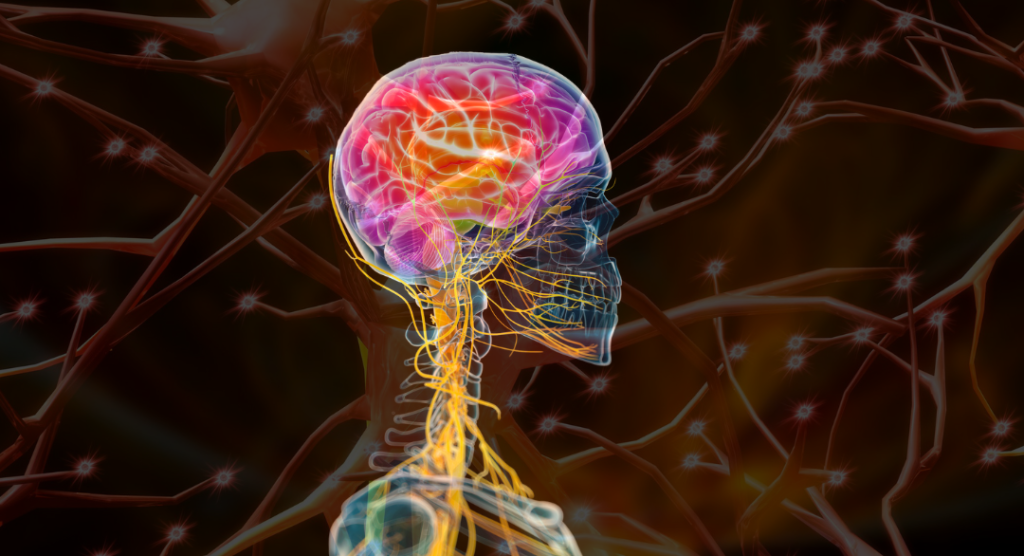
How Trauma Changes Your Nervous System
Here’s what makes trauma different from other difficult experiences: It gets encoded in your nervous system in a way that continues to affect you long after the danger has passed.
Your Survival Brain Takes Over
When something threatening happens, your brain’s survival system (the amygdala and other limbic structures) takes control. This happens automatically, faster than conscious thought.
The survival response involves:
- Immediate threat assessment – “Am I in danger?”
- Activation of stress hormones – Adrenaline and cortisol flood your system
- Physical preparation – Heart races, breathing quickens, muscles tense
- Action response – Fight, flight, freeze, or fawn
This is healthy and adaptive when facing actual danger. The problem with trauma is that your nervous system stays stuck in threat mode even after the danger is gone.
Why Trauma Gets “Stuck”
During overwhelming experiences:
- Your thinking brain (prefrontal cortex) goes offline
- Memories aren’t processed normally
- The experience gets stored as fragmented sensory information (images, sounds, body sensations, emotions)
- Your nervous system learns: “This level of threat could happen again at any moment”
Result: You remain in a state of hypervigilance, your body constantly scanning for danger, even in safe environments.
Ready to understand your trauma responses?
The Window of Tolerance: Understanding Your Nervous System States
One of the most helpful concepts for understanding trauma is the Window of Tolerance, developed by Dr. Dan Siegel. This framework explains why you sometimes feel overwhelmed, sometimes feel numb, and occasionally feel “normal.”
What Is the Window of Tolerance?
Imagine your nervous system has an optimal zone where you can function well—you can think clearly, feel emotions without being overwhelmed, respond flexibly to situations, and engage with others. This is your Window of Tolerance.
Inside your Window of Tolerance:
- You feel grounded and present
- You can think and feel simultaneously
- Emotions are manageable and informative
- You can problem-solve effectively
- You’re socially engaged and connected
- You handle stress reasonably well
- You feel like yourself
When you move outside this window, you enter dysregulated states where functioning becomes difficult.
The Three Nervous System States
✅
WITHIN THE WINDOW
Regulated State
Nervous System:
Balanced between sympathetic and parasympathetic
Feels Like:
Calm, alert, present, capable
You Can:
Think clearly, feel emotions, connect with others, learn, make decisions
⚡
ABOVE THE WINDOW
Hyperarousal State
Nervous System:
Sympathetic overdrive (“fight or flight”)
Feels Like:
Anxious, panicked, angry, overwhelmed, reactive
Common Experiences:
- Racing thoughts or mind going blank
- Anger outbursts or rage
- Panic attacks
- Hypervigilance
- Need to escape
💤
BELOW THE WINDOW
Hypoarousal State
Nervous System:
Parasympathetic overdrive (“freeze” or shutdown)
Feels Like:
Numb, disconnected, depressed, foggy, absent
Common Experiences:
- Feeling emotionally flat
- Dissociation
- Extreme fatigue
- Feeling hopeless
- Complete withdrawal
The Flip-Flop Effect
Many trauma survivors don’t just stay in one dysregulated state—they flip back and forth between hyperarousal and hypoarousal:
- Panic attack (hyperarousal) → Crash into shutdown (hypoarousal)
- Week of intense anxiety and activity (hyper) → Depressive episode where you can’t get out of bed (hypo)
- Rage outburst (hyper) → Feeling completely numb afterward (hypo)
This flip-flopping is exhausting and can make you feel “crazy” or out of control. You’re not. Your nervous system is just trying to manage overwhelming activation.
Why Trauma Shrinks Your Window
For people with trauma, the Window of Tolerance becomes narrower:
- Smaller window = Less capacity to handle stress before becoming dysregulated
- Faster triggers = Move outside window more quickly
- Harder to return = Takes longer to get back inside window
- More extreme responses = Deeper into hyperarousal or hypoarousal when triggered
The good news: Therapy can help widen your Window of Tolerance, so you can handle more without becoming dysregulated and return to regulation more quickly when you do.

Common Trauma Symptoms: How Trauma Shows Up
Trauma manifests in specific, recognizable patterns. Understanding these as trauma symptoms (rather than personal failings) is crucial for healing.
Re-Experiencing Symptoms
The traumatic experience keeps replaying:
- Intrusive memories – Unwanted, distressing memories that pop up without warning
- Flashbacks – Feeling like the trauma is happening again right now
- Nightmares – Disturbing dreams related to the trauma
- Emotional flashbacks – Suddenly feeling the emotions from the trauma without necessarily remembering the event
- Physical sensations – Body sensations from the trauma appearing without physical cause
Avoidance Symptoms
Your brain tries to protect you by avoiding anything that reminds you of the trauma:
- Avoiding places, people, activities that trigger memories
- Avoiding thoughts or feelings about the trauma
- Inability to remember important aspects of the traumatic event
- Using substances, work, food, or other behaviors to avoid feeling
- Staying constantly busy to not think about it
Hypervigilance and Hyperarousal
Your nervous system stays in a state of high alert:
- Always scanning for danger
- Easily startled or jumpy
- Difficulty concentrating (mind is busy watching for threats)
- Irritability, anger outbursts
- Difficulty sleeping (too alert to relax)
- Feeling “on edge” constantly
Negative Changes in Thoughts and Mood
Trauma affects how you think about yourself, others, and the world:
- Persistent negative beliefs (“I’m damaged,” “The world is dangerous,” “No one can be trusted”)
- Distorted blame of self or others
- Persistent fear, horror, anger, guilt, or shame
- Loss of interest in activities you used to enjoy
- Feeling detached from others
- Inability to experience positive emotions (numbness)
Recognizing Your Trauma Symptoms?
Seattle Wellness Center specializes in trauma-informed care including EMDR therapy and somatic approaches.
How Trauma Lives in Your Body: Somatic Symptoms
“The body keeps the score” (as trauma researcher Bessel van der Kolk famously wrote). Trauma isn’t just stored in memories—it’s stored in your muscles, your nervous system, your physical being.
Common Somatic (Physical) Trauma Symptoms
Chronic Tension and Pain:
- Persistent muscle tightness (especially shoulders, neck, jaw)
- Tension headaches or migraines
- Chronic back pain
- TMJ (jaw clenching)
- Unexplained body pain
Digestive Issues:
- IBS (irritable bowel syndrome)
- Nausea or stomach pain
- Appetite changes
Sleep Disruption:
- Insomnia (difficulty falling or staying asleep)
- Nightmares
- Waking exhausted
Immune and Energy:
- Chronic fatigue
- Getting sick frequently
- Autoimmune issues (trauma is linked to inflammation)
Why These Symptoms Happen: When you’re in chronic survival mode (outside your Window of Tolerance), stress hormones stay elevated, muscles stay tense, and your nervous system can’t shift into “rest and digest” mode.

Trauma Responses: Fight, Flight, Freeze, and Fawn
When faced with threat, your nervous system automatically chooses a survival response. Understanding which response you tend toward helps you recognize your patterns.
👊
FIGHT
Hyperarousal
- Anger, irritability, rage
- Aggressive behavior
- Confrontational stance
- Quick to anger at small things
- Difficulty backing down
🏃
FLIGHT
Hyperarousal
- Anxiety, panic
- Need to escape
- Restlessness
- Avoidance behaviors
- Constant busyness
🧊
FREEZE
Hypoarousal
- Feeling stuck, paralyzed
- Numbness
- Dissociation
- Procrastination
- Shutting down
🤝
FAWN
Hybrid Response
- People-pleasing
- Ignoring own needs
- Difficulty saying no
- Over-apologizing
- Boundary issues
Most people have a primary response but can move between different responses depending on the situation.
The Path to Healing: Expanding Your Window of Tolerance
Understanding trauma is the first step. Healing involves helping your nervous system return to regulation and widening your Window of Tolerance.
What Trauma Therapy Offers
1. Safety and Stabilization First
- Learning you’re safe now (even when your body doesn’t feel safe)
- Developing grounding and self-regulation skills
- Building resources and support
2. Processing Traumatic Memories
- Working through stuck memories so they’re no longer triggering
- Integrating fragmented experiences into coherent narrative
- Resolving the “it’s still happening” feeling
3. Reconnecting with Your Body
- Somatic (body-based) work to release stored tension
- Learning to feel safe in your body again
- Restoring connection between mind and body
4. Rebuilding Trust and Connection
- Addressing relationship patterns affected by trauma
- Developing healthy boundaries
- Learning secure attachment
Trauma-Focused Therapies
EMDR (Eye Movement Desensitization and Reprocessing):
- Helps brain reprocess traumatic memories
- Reduces emotional charge of memories
- Learn more about EMDR
Somatic Experiencing:
- Body-based approach to releasing trauma
- Focuses on physical sensations and nervous system regulation
- Helps complete unfinished survival responses
Trauma-Focused CBT:
- Addresses trauma-related thoughts and beliefs
- Develops coping skills
- Gradual exposure to trauma reminders in safe way
When to Seek Professional Help
Consider trauma therapy if:
- You’re experiencing symptoms described in this article
- Past experiences continue affecting your daily life
- You’re stuck in patterns you want to change
- Relationships are suffering
- You’re using unhealthy coping mechanisms
- Self-help strategies aren’t enough
You don’t need to have “classic” PTSD to benefit from trauma therapy. If something from your past continues to impact your present, therapy can help.
Trauma Treatment at Seattle Wellness Center
At Seattle Wellness Center, our therapists specialize in trauma-informed care. We understand that trauma affects the whole person—mind, body, emotions, and relationships.
Our trauma specialists offer:
- EMDR therapy for trauma processing
- Somatic approaches for body-based healing
- Trauma-focused CBT
- Understanding of complex trauma
- Safe, compassionate therapeutic relationships
- Both in-person and telehealth options
We work at your pace, ensuring you have the skills and resources you need before processing difficult material. Healing is possible.
Ready to start your healing journey? Contact Seattle Wellness Center at (206) 636-1982 or request an appointment online.
Final Thoughts: You’re Not Broken
If you’ve experienced trauma, your symptoms aren’t signs of weakness or defectiveness. They’re evidence that your nervous system is working exactly as designed—trying to protect you from danger, even when the danger has passed.
The hypervigilance, the emotional overwhelm, the shutdowns, the physical symptoms—these are your body’s attempt to keep you safe. You’re not broken. Your system is just stuck in protection mode.
With the right support, your nervous system can learn that the threat is over. Your Window of Tolerance can expand. The symptoms can decrease. You can feel safe in your body and in the world again.
Healing doesn’t mean forgetting what happened. It means the past stops controlling your present. It means you can remember without reliving. It means your body finally believes: The danger is over. I’m safe now.
That healing is possible. We’ve seen it happen. And we’re here to help.
Related Resources
Related Articles from Seattle Wellness Center:
- What Is EMDR? Healing Beyond Talk Therapy
- Kate’s Take on Depression Q&A
- 7 Evidence-Based Strategies for Managing Depression
- How to Find the Right Therapist in Seattle
- The Mind-Body Connection
About This Article: Written by the clinical team at Seattle Wellness Center and reviewed by licensed therapists specializing in trauma treatment, including EMDR and somatic therapy approaches.
In accordance with the Washington My Health My Data Act (MHMD), Seattle Wellness Center maintains the highest standards of confidentiality regarding your mental health information.
