
Understanding and Treating Seasonal Affective Disorder (SAD)
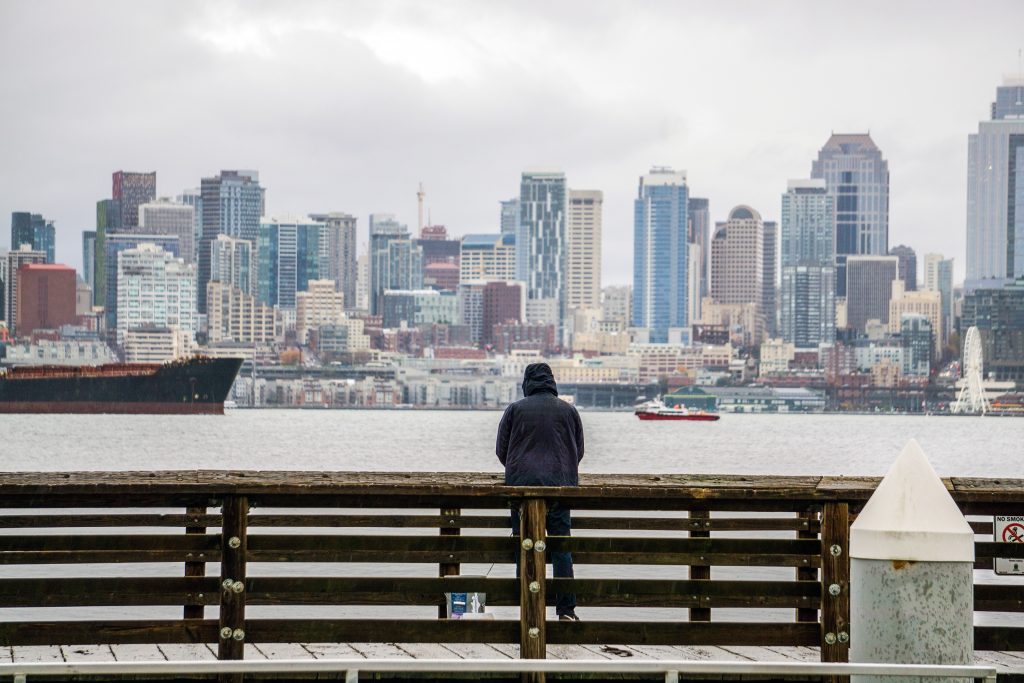
If you’ve lived in Seattle for more than a year, you know the pattern: October arrives, and with it comes the gray. It’s not just cloudy days but a relentless grayness that blankets the city and lingers until late spring.
For many Pacific Northwest residents, this extended gray season brings more than just a need for rain gear; it can lead to fatigue, carb cravings, social withdrawal, and a pervasive heaviness that makes even simple tasks feel daunting. You might find yourself sleeping 10+ hours yet still feeling tired, constantly craving pasta and sweets, or questioning whether you’re truly meant for Seattle’s climate.
You’re not imagining it, and you’re not alone. What you’re experiencing is likely Seasonal Affective Disorder (SAD). The Pacific Northwest’s uniquely prolonged stretch of gray skies makes this condition particularly common here.
Struggling with Seattle’s gray season?
What Is Seasonal Affective Disorder (SAD)?
Seasonal Affective Disorder is a type of depression characterized by seasonal patterns, typically starting in late fall and lifting in spring. Unlike the “winter blues,” SAD is a recognized form of major depressive disorder with specific symptoms and effective treatments.
How Common Is SAD in Seattle?
While national estimates suggest that about 5% of the U.S. population experiences SAD, the rates are significantly higher in the Pacific Northwest:
- Geographic Influence: SAD prevalence increases with northern latitude, meaning it’s more common the farther you are from the equator.
- Gender Disparity: Women are diagnosed with SAD about four times more often than men.
- Age of Onset: Symptoms typically begin in young adulthood, particularly during the 20s and 30s.
- Undiagnosed Cases: Many individuals may not seek help because they assume everyone feels this way during winter.
The “8-Month Gray”: Why Seattle Is Different
People moving to Seattle from sunnier regions often struggle with their first autumn and winter here. The issue isn’t the rain (Seattle actually receives less annual rainfall than many East Coast cities) but rather the persistent lack of sunlight.
Seattle’s Gray Season By the Numbers:
- Sunny Days: 152 days per year (national average is 205)
- Cloudy Days: 226 days per year
- October to May: Persistent cloud cover
- December Daylight: Approximately 8 hours of potential daylight, often obscured by clouds
- Vitamin D Deficiency: The Pacific Northwest has some of the highest rates of vitamin D deficiency in the nation
Why Extended Gray Affects Your Brain
The prolonged absence of sunlight leads to a cascading effect on your brain chemistry:
- Disrupted Circadian Rhythm: Your internal clock can get confused without bright morning light, resulting in daytime grogginess.
- Serotonin Drop: Less sunlight means lower serotonin levels, the neurotransmitter responsible for regulating mood, appetite, and sleep.
- Vitamin D Deficiency: From October to May, Seattle residents struggle to produce adequate vitamin D naturally, even with outdoor activity.
- Melatonin Overproduction: Lack of light prompts your brain to produce more melatonin, the sleep hormone, contributing to feelings of sluggishness.
Think of your brain as a plant; during Seattle’s gray months, it’s akin to trying to photosynthesize with minimal light.
Recognizing SAD Symptoms
Seasonal depression can begin subtly. Here are the key signs to watch for:
Classic SAD Symptoms
Mood Changes:
- Persistent feelings of sadness or emptiness
- Loss of interest in activities once enjoyed
- Increased irritability and sensitivity
- Feelings of hopelessness or worthlessness
Energy and Sleep:
- Extreme fatigue even after adequate sleep
- Oversleeping (10+ hours) yet still feeling tired
- Difficulty waking up in the morning
- Desire to “hibernate”
Appetite and Weight:
- Increased appetite, particularly for carbohydrates
- Cravings for pasta, bread, and sweets
- Potential weight gain (typically 5-10 pounds during winter)
Cognitive Changes:
- Difficulty concentrating or making decisions
- Experiencing “brain fog” or mental sluggishness
- Memory problems
Social Withdrawal:
- Pulling away from friends and family
- Canceling plans and avoiding social interactions
- Feelings of isolation
Recognizing these symptoms? You don’t have to wait until spring.
SAD vs. Regular Depression
SAD differs from non-seasonal depression in several ways:
- Follows a predictable seasonal pattern, returning each fall and winter
- Often involves increased sleep and appetite instead of the typical decrease
- Symptoms significantly improve or disappear in spring and summer
- There’s a strong correlation with sunlight exposure
Evidence-Based Treatments That Work
The good news is that SAD is one of the most treatable forms of depression. Here are the evidence-based interventions that have been proven effective:
Light Therapy: Your Most Powerful Tool
Light therapy (or phototherapy) is the first-line treatment for SAD. Research indicates it can be as effective as antidepressants, offering quicker results with fewer side effects.
How Light Therapy Works: Light therapy involves sitting in front of a specialized light box that emits bright light similar to natural outdoor light. This exposure:
- Suppresses daytime melatonin production, reducing daytime grogginess
- Boosts serotonin levels, improving mood and energy
- Resets your circadian rhythm for better sleep
- Mimics the outdoor light exposure that your brain lacks
How to Use Light Therapy Correctly
Timing & Duration: Use it first thing in the morning (within 30 minutes of waking) for 20-30 minutes daily. Start in early October before symptoms worsen and continue through April or May.
Positioning: Sit 16-24 inches from the light, at eye level or slightly above. Don’t stare directly at it; you can read, work, or eat breakfast while using it to ensure the light enters your eyes indirectly.
When to Expect Results: Many experience relief within 2-4 days, while most notice improvements within 1-2 weeks. Full benefits typically emerge within 3-4 weeks.
Choosing the Right Light Box
Essential features to look for:
- Intensity: 10,000 lux (the therapeutic standard)
- Safety: UV-filtered for eye and skin protection
- Surface Area: At least 12″ x 18″
- Light Type: White light (avoid colored or warm light)
Top Recommendations for Seattle
- Carex Day-Light Classic Plus (~$150-170): Clinical standard for serious SAD treatment.
- Verilux HappyLight Luxe (~$100-130): Offers adjustable settings with a sleek design.
- Northern Light Technologies Boxelite (~$200-250): Maximum effectiveness for severe SAD, used in clinical studies.
- Circadian Optics Lumos 2.0 (~$70-90): A budget-friendly option for first-time users.
Vitamin D: Addressing the Pacific Northwest Deficiency
Low vitamin D levels are strongly linked to depression, and Seattle has some of the highest rates of deficiency in the U.S.
Why Seattle Needs Vitamin D Supplementation: From October to May, the sun’s angle is too low for effective vitamin D production. Cloud cover blocks necessary UVB rays, and typical clothing layers contribute to the lack of UV exposure.
Supplementation Guidelines
Dosage: General maintenance typically involves 1,000-2,000 IU daily; for deficiencies, consider 2,000-5,000 IU daily (consult with your doctor).
Type: Opt for Vitamin D3 (cholecalciferol) over D2 and pair it with fat-containing food for better absorption.
Testing: Request a 25-hydroxy vitamin D blood test from your doctor to assess levels, aiming for an optimal range of 40-60 ng/mL. It’s advisable to test in late winter when levels are lowest.
Cognitive Behavioral Therapy for SAD (CBT-SAD)
While light therapy and vitamin D supplementation address biological components, therapy equips you with coping strategies and resilience.

What CBT-SAD Involves:
Behavioral Activation: Encourages scheduling enjoyable activities even when lacking motivation, breaking patterns of avoidance.
Cognitive Restructuring: Identifies negative thought patterns about winter and challenges catastrophic thinking.
Problem-Solving: Addresses specific winter challenges by building a “winter wellness toolkit.”
Long-Term Benefits of CBT-SAD
Unlike light therapy, which is typically discontinued in spring, CBT-SAD skills provide long-lasting benefits, helping you proactively manage SAD year after year.
Ready to Build Your Winter Wellness Toolkit?
Seattle Wellness Center therapists specialize in evidence-based treatments for SAD, including CBT-SAD, light therapy guidance, and comprehensive support.
Lifestyle Strategies for the Gray Season
In addition to medical interventions, these lifestyle strategies can significantly enhance your winter well-being:
1. Get Outside—Even on Gray Days
Outdoor light is significantly brighter than indoor light, even on cloudy days.
How to do it:
- Take 20-30 minute walks during lunch breaks
- Engage in weekend outdoor activities such as hiking or visiting farmers markets
- Consider joining outdoor groups like hiking or running clubs
Beautiful Winter Spots in Seattle:
- Discovery Park
- Washington Park Arboretum
- Seward Park
- Green Lake Loop

2. Maintain Social Connections
Combat the withdrawal that often accompanies SAD.
Suggestions:
- Schedule regular coffee dates or dinners with friends
- Join winter activity groups like book clubs or board game nights
- Stay connected with loved ones through video calls
3. Exercise—Especially in the Morning
Exercise boosts endorphins, regulates your circadian rhythm, and alleviates depressive symptoms.
Suggestions:
- Morning workouts can be particularly beneficial for SAD
- Indoor options include gyms, swimming, or yoga
- Outdoor activities can include running, hiking, or cycling (with appropriate gear)
4. Optimize Sleep Hygiene
SAD can disrupt sleep patterns, so it’s important to establish good habits: wake at the same time every day, use light therapy immediately upon waking, create a dark and cool sleep environment, and wind down screen-free for an hour before bed.
5. Watch Diet and Alcohol
Address carb cravings without rigid restriction by opting for complex carbohydrates (whole grains, sweet potatoes) over refined sugars. Eat balanced meals regularly, consider omega-3 supplementation, and limit alcohol intake as it can be a depressant that disrupts sleep.
6. Brighten Your Environment
Enhancing your environment can significantly impact your mood: open curtains during daylight hours, use brighter bulbs (5000K-6500K daylight bulbs), consider adding mirrors for light reflection, and keep your living space decluttered.
When SAD Requires Medication
For some individuals, light therapy and lifestyle changes may not be sufficient.
Antidepressants for SAD:
Bupropion (Wellbutrin): Particularly effective for SAD prevention, it is FDA-approved for this use.
SSRIs: Medications such as fluoxetine (Prozac), sertraline (Zoloft), and escitalopram (Lexapro) are also commonly prescribed.
Should You Consider Medication?
Consider medication if:
- You find that light therapy and lifestyle changes don’t provide adequate relief
- Your symptoms are severe or significantly interfere with daily functioning
- You have a history of severe seasonal depression and want to prevent symptoms before they manifest
Preparing for Gray Season: Month-by-Month
Your proactive roadmap to thriving through Seattle’s gray season
🍂
Sept/Early Oct
SET UP PHASE
- ✓ Order your light therapy lamp and test it
- ✓ Schedule physical and vitamin D testing
- ✓ Start vitamin D supplementation
- ✓ Consider beginning therapy
- ✓ Plan winter activities now
🚀
Oct/Nov
IMPLEMENTATION PHASE
- ⚡ Begin daily light therapy without delay
- ⚡ Increase your outdoor time
- ⚡ Maintain your exercise routine
- ⚡ Check in with your support system
❄️
Dec/Jan/Feb
THE HARD MONTHS
- 💪 Remain consistent with all strategies
- 💪 Don’t isolate; reach out for support
- 💪 Be kind to yourself
🌸
Mar/Apr/May
TRANSITION PHASE
- 🌱 Continue light therapy until mood improves
- 🌱 Gradually taper off medication (with doctor)
- 🌱 Reflect on what strategies helped
When to Seek Professional Help
Consult a mental health professional if:
- SAD symptoms severely disrupt your work, relationships, or daily life
⚠️ You experience thoughts of self-harm or suicide (call 988 immediately)
- Self-help strategies haven’t provided relief after 4-6 weeks
- You find yourself relying on alcohol or substances to cope
- You have a history of bipolar disorder, as SAD can be part of its cycle
📋 Your Seattle SAD Toolkit: Quick Reference
☀️ Daily Non-Negotiables:
- Light therapy: 20-30 min/morning
- Vitamin D: 2,000+ IU daily
- Outdoor time: 20+ min midday
- Exercise: 30 min most days
- Consistent wake time
📅 Weekly Rituals:
- Social connection
- Enjoyable activities
- Nature time
💚 Professional Support:
- Therapy: CBT-SAD or mental health support
- Medication: Work with a psychiatrist if necessary
Getting Help at Seattle Wellness Center
Seattle Wellness Center understands the unique challenges posed by SAD in the Pacific Northwest. Our therapists offer:
- Individual therapy utilizing evidence-based approaches
- CBT-SAD (Cognitive Behavioral Therapy for Seasonal Affective Disorder)
- Comprehensive treatment planning
- Both in-person and telehealth options
Ready to Take the Next Step?
Contact Seattle Wellness Center Today
Additional Resources
Related Articles from Seattle Wellness Center:
- Kate’s Take on Depression Q&A
- 7 Evidence-Based Strategies for Managing Depression
- How to Find the Right Therapist in Seattle
- The Mind-Body Connection: Physical and Mental Health
Seattle Mental Health Resources:
- Crisis Connections: 866-427-4747
- National Suicide Prevention Lifeline: 988
- NAMI Seattle: Support groups and resources
Final Thoughts: You Can Thrive in Seattle
Living with SAD does not mean you’re “not cut out” for the Pacific Northwest; it reflects your brain’s response to a very real environmental factor—reduced sunlight.
SAD is highly treatable. With the right combination of light therapy, vitamin D, lifestyle adjustments, and professional support, you can not only survive but thrive during Seattle’s gray season.
You don’t have to just endure eight months of darkness. You deserve to feel good year-round.
Start today by implementing one strategy from this guide. By next October, you’ll be prepared and empowered. Seattle is a vibrant city full of culture and natural beauty—even in winter. You belong here, and you can feel great here too!
About This Article: Written by the clinical team at Seattle Wellness Center and reviewed by licensed mental health professionals specializing in depression and Seasonal Affective Disorder.
In accordance with the Washington My Health My Data Act (MHMD), Seattle Wellness Center maintains the highest standards of confidentiality regarding your mental health information.
