
Bipolar Disorder Treatment Seattle: Complete Guide to Symptoms & Therapy
From extreme highs to devastating lows—understand bipolar disorder’s three types, recognize the warning signs, and discover evidence-based treatments that help you live a stable, fulfilling life.

A ticking clock echoes throughout the university library. The little hand makes its way to nine and security checks IDs. You show yours and continue writing your paper. Page after page flows effortlessly—you feel a continuous boost of energy filling your mind and body.
Your eyes squint from rays of sun peaking through the window. Staring at the clock, you realize you spent the entire night writing—yet you feel energetic. The week carries on and still you haven’t slept. After seven days, you finally fall asleep.
Your alarm goes off. You don’t react. You have no desire to get out of bed. You feel weighted and unmotivated, as if the world has nothing to offer you.
This is bipolar disorder. At Seattle Wellness Center, we specialize in treating bipolar disorder using evidence-based approaches that help you manage mood episodes and live a stable, meaningful life.
What Is Bipolar Disorder? Understanding Bipolar Disorder Treatment Seattle
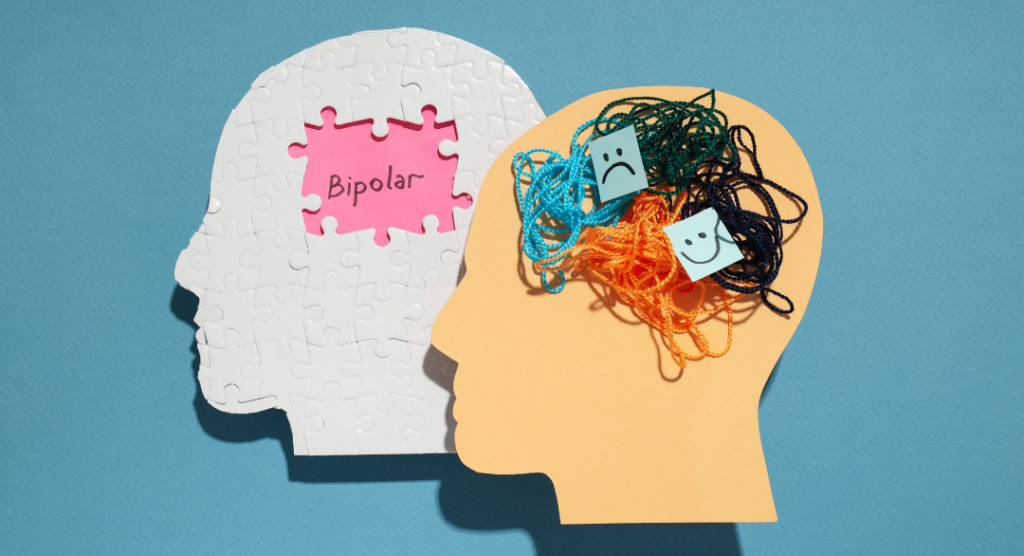
Bipolar disorder involves unusual shifts in mood—you shift from experiencing extreme highs (mania or hypomania) to deep lows (depression). These mood episodes can last anywhere from a week to several months, significantly impacting daily functioning.
🔬 Research Insight
According to the National Institute of Mental Health, approximately 2.8% of U.S. adults (about 7 million people) experience bipolar disorder annually. The condition affects men and women equally, with an average age of onset around 25 years old.
Source: National Institute of Mental Health. (2023). “Bipolar Disorder Statistics.” NIMH.nih.gov
Although this condition can cause challenges, it is treatable. You can go on to live a happy, healthy life. The condition is stratified into three categories based on symptoms:
Bipolar I Disorder
Bipolar I is characterized by manic episodes lasting at least 7 days (or requiring hospitalization) and usually includes depressive episodes lasting at least 2 weeks. Manic episodes can lead to behaviors including excessive spending, gambling, risky sexual encounters, and other stimulation-seeking activities.
Key feature: Full manic episodes that significantly impair functioning. You can experience both mania and depression, sometimes simultaneously (mixed episodes).
Bipolar II Disorder
Bipolar II is defined by a pattern of depressive episodes and hypomanic episodes—a display of revved-up energy that’s less severe than full mania. People with Bipolar II never experience full manic episodes.
Key feature: Hypomanic episodes (elevated mood/energy lasting at least 4 days) alternating with major depressive episodes. Often misdiagnosed as depression alone.
Cyclothymic Disorder (Cyclothymia)
Cyclothymic disorder includes periods of hypomanic symptoms and depressive symptoms lasting for at least 2 years (1 year in children/adolescents). The symptoms don’t meet full diagnostic criteria for hypomanic or depressive episodes but cause significant distress.
Key feature: Chronic mood instability with numerous periods of hypomanic and depressive symptoms that don’t reach full episode criteria.
Some people experience bipolar symptoms but don’t meet criteria for these three types. This is categorized as other specified and unspecified bipolar and related disorders.
Signs and Symptoms of Bipolar Disorder: What to Watch For
Bipolar disorder involves experiencing unusually high levels of emotions, changes in sleep patterns, and uncharacteristic behaviors resulting in potentially harmful situations. Here’s how to recognize manic, hypomanic, and depressive episodes:
⚡ Manic Episodes
- Abnormally upbeat, jumpy, or wired
- Increased activity, energy, agitation
- Euphoria (exaggerated self-confidence)
- Decreased need for sleep
- Loss of appetite
- Talking fast about many topics
- Racing thoughts
- Risky behaviors (spending, gambling, sex)
- Belief they’re more important/powerful
⬇️ Depressive Episodes
- Feeling very sad, hopeless, empty
- Feeling slowed down or restless
- Insomnia or sleeping too much
- Increased appetite/weight gain
- Talking very slowly, forgetting things
- Trouble concentrating/making decisions
- Unable to do simple tasks
- Little interest in all activities
- Feeling worthless or guilty
Mixed Episodes
These symptoms can be experienced together—known as an episode with mixed features. You might feel sad and hopeless while simultaneously feeling energetic and agitated. This is particularly dangerous as you have the energy to act on suicidal thoughts.
Hypomania Explained
Hypomania is essentially a less intense form of mania. You experience high levels of energy and elevated mood, but the main difference is that during hypomania, you’re able to get things done and keep up with everyday life. Although you might not feel anything is wrong, friends and loved ones will notice your unusually high energy levels.
Bipolar & Common Comorbidities
Bipolar symptoms can look similar to other conditions, leading professionals to conduct thorough assessments to ensure accurate diagnosis. People with bipolar often have co-occurring conditions like anxiety disorders, ADHD, substance use disorders, and eating disorders.
During intense episodes, psychotic symptoms (hallucinations, delusions) can occur. These symptoms tend to match the emotional state—grandiose delusions during mania, paranoid delusions during depression. Because of this, bipolar disorder is sometimes misdiagnosed as schizophrenia.
How Bipolar Disorder Treatment Seattle Works: Evidence-Based Approaches
Treatment for bipolar disorder has helped countless people regardless of symptom severity. Most people are treated with a combination of medication and psychotherapy. Although mood episodes can return, effective treatment helps you remain stable between episodes and manage symptoms when they occur.
🔬 Research Insight
A 2020 systematic review published in the American Journal of Psychiatry found that combination treatment (medication + psychotherapy) reduced relapse rates by 40% compared to medication alone. Specific therapies like FFT and IPSRT showed particularly strong outcomes.
Source: Miklowitz et al. (2020). “Psychosocial Treatments for Bipolar Depression.” American Journal of Psychiatry. AJP.psychiatryonline.org
Medication Management
Several medications help manage bipolar symptoms. Like other conditions, you may need to try different medications before finding what works best for you. Common medications include:
- Mood stabilizers (lithium, valproate, carbamazepine)
- Atypical antipsychotics (quetiapine, olanzapine, aripiprazole)
- Antidepressants (used cautiously, usually with mood stabilizers)
Important medication guidelines:
- Tell your provider about all medications and supplements you’re taking
- Report concerning side effects immediately
- Take medication consistently as prescribed—it won’t work otherwise
- Never stop medication abruptly—this can cause harmful rebound effects and trigger episodes
Psychotherapy (Talk Therapy)
Talk therapy is an essential part of comprehensive bipolar treatment. At Seattle Wellness Center, we use evidence-based approaches proven effective for bipolar disorder:
Cognitive Behavioral Therapy (CBT)
CBT provides tools to regulate emotions and manage concerning thoughts by identifying negative thought patterns and shifting the narratives associated with them. You learn to recognize early warning signs of mood episodes and develop coping strategies.
Interpersonal and Social Rhythm Therapy (IPSRT)
IPSRT helps people improve moods by understanding and working with their biological and social rhythms. This therapy focuses on:
- Maintaining consistent daily routines (sleep, meals, activities)
- Resolving interpersonal problems
- Managing life transitions that can trigger episodes
Family-Focused Therapy (FFT)
This evidence-based intervention is typically used after an episode. FFT includes:
- Psychoeducation sessions about bipolar disorder for family members
- Communication enhancement training
- Problem-solving skills for managing conflicts and stressors
Research shows FFT significantly reduces relapse rates when families participate actively in treatment.
Other Treatment Options
When medication and therapy alone aren’t sufficient, additional treatments include:
- Electroconvulsive Therapy (ECT) – Highly effective for severe episodes, particularly treatment-resistant depression or mania with psychotic features
- Transcranial Magnetic Stimulation (TMS) – Non-invasive brain stimulation showing promise for bipolar depression
- Omega-3 supplements – Some research suggests fish oil may help with depressive symptoms (always consult your doctor first)

Self-Care Strategies
Outside of professional treatment, several self-care practices help manage bipolar symptoms:
- Regular aerobic exercise – Running and other energy-burning activities help tame mania while endorphin release assists with lifting depression
- Maintain consistent sleep schedule – Sleep disruption is both a symptom and trigger of mood episodes
- Keep a mood chart – Track daily mood, sleep, medications, and stressors to identify patterns and early warning signs
- Avoid alcohol and drugs – Substance use can trigger episodes and interfere with medication
- Manage stress – Use relaxation techniques, set boundaries, and practice self-compassion
Ready to Stabilize Your Mood?
Bipolar disorder is manageable. Our Seattle therapists specialize in evidence-based treatments that help you live a stable, fulfilling life.
📞 (206) 636-1982
What Causes Bipolar Disorder?
The exact cause of bipolar disorder remains unknown. However, researchers agree there’s no single cause—multiple factors likely contribute to developing the condition:
Brain Structure and Function
MRI and brain imaging studies have identified patterns in people with bipolar disorder. Research shows they often have a smaller subgenual portion of the anterior cingulate cortex—the brain region responsible for regulating emotion.
Additionally, studies show differences in:
- Prefrontal cortex activity (decision-making, impulse control)
- Amygdala size and function (emotion processing)
- Hippocampus volume (memory formation)
Genetics
Research indicates certain genes are linked to developing bipolar disorder. Having blood-related family members with bipolar increases your risk—if one parent has bipolar disorder, there’s a 10-25% chance their child will develop it. With two affected parents, the risk increases to 50-75%.
However, bipolar cannot be caused by a single gene. Multiple genes interact with environmental factors to influence risk.
Environmental Triggers
- Severe stress or trauma
- Major life changes
- Sleep disruption
- Substance abuse
🔬 Research Insight
A 2019 genome-wide association study published in Nature Genetics identified 30 genetic loci associated with bipolar disorder risk. The research suggests bipolar shares genetic risk factors with schizophrenia and major depression, supporting dimensional models of psychiatric illness.
Source: Stahl et al. (2019). “Genome-wide association study identifies 30 loci associated with bipolar disorder.” Nature Genetics. Nature.com
Frequently Asked Questions About Bipolar Disorder
Click each question to see the answer:
Can bipolar disorder be cured?
Bipolar disorder is a lifelong condition, but it is highly manageable with proper treatment. While there’s no cure, many people with bipolar disorder live stable, productive lives with medication, therapy, and lifestyle management. Consistent treatment helps prevent episodes and reduce their severity when they occur.
How is bipolar disorder different from depression?
The key difference is that bipolar disorder involves both depressive AND manic/hypomanic episodes, while major depression involves only depressive episodes. People with bipolar disorder experience periods of elevated mood, increased energy, and sometimes risky behavior—symptoms not present in depression alone. This is why accurate diagnosis is crucial, as treatment differs significantly.
Will I need to take medication forever?
Most people with bipolar disorder benefit from long-term medication to prevent episodes. Stopping medication—even when you feel stable—significantly increases the risk of relapse. Some people remain on medication indefinitely, while others work with their doctor to adjust dosages over time. Never stop medication without consulting your psychiatrist, as abrupt discontinuation can trigger severe episodes.
Can therapy alone treat bipolar disorder?
Research consistently shows that combination treatment (medication + therapy) is most effective for bipolar disorder. While therapy is essential for managing stress, recognizing warning signs, and developing coping skills, medication is typically necessary to stabilize mood and prevent episodes. Therapy and medication work together synergistically.
What should I do if I think I have bipolar disorder?
Contact a mental health professional for a comprehensive evaluation. Keep a mood diary tracking your sleep, energy levels, activities, and mood for a few weeks before your appointment. This information helps clinicians make an accurate diagnosis. At Seattle Wellness Center, we can provide assessment and connect you with appropriate treatment resources.
Can people with bipolar disorder work and have relationships?
Absolutely. With proper treatment, many people with bipolar disorder maintain successful careers, relationships, and families. Stability comes from medication compliance, therapy, self-care, and building a strong support system. Open communication with employers, partners, and family about your needs helps create an environment where you can thrive.
Additional Bipolar Disorder Resources
Beyond professional treatment at Seattle Wellness Center, these trusted resources provide support and information:
- National Institute of Mental Health (NIMH) – Bipolar Disorder – Comprehensive research and treatment information
- Depression and Bipolar Support Alliance (DBSA) – Peer support groups and educational resources
- NAMI – Bipolar Disorder – Support programs and advocacy
- 988 Suicide & Crisis Lifeline – 24/7 support: Call or text 988
- King County Crisis Line – 206-461-3222 or 1-866-427-4747
Live a Stable Life with Bipolar Disorder
You don’t have to face bipolar disorder alone. Our Seattle therapists provide evidence-based treatment to help you manage mood episodes and build a fulfilling life.
Seattle Wellness Center – Northgate
Serving all of King County | In-Person & Telehealth Available
📞 (206) 636-1982
About This Article: This comprehensive guide to bipolar disorder was written by the clinical team at Seattle Wellness Center to provide evidence-based information about symptoms, diagnosis, and treatment. This information is educational and not a substitute for professional mental health care. If you believe you may have bipolar disorder, please contact a licensed mental health professional for proper evaluation.
Last Updated: February 2026
Medical Review: Content reviewed by licensed mental health professionals at Seattle Wellness Center
References: NIMH, American Journal of Psychiatry, Nature Genetics, Depression and Bipolar Support Alliance
